
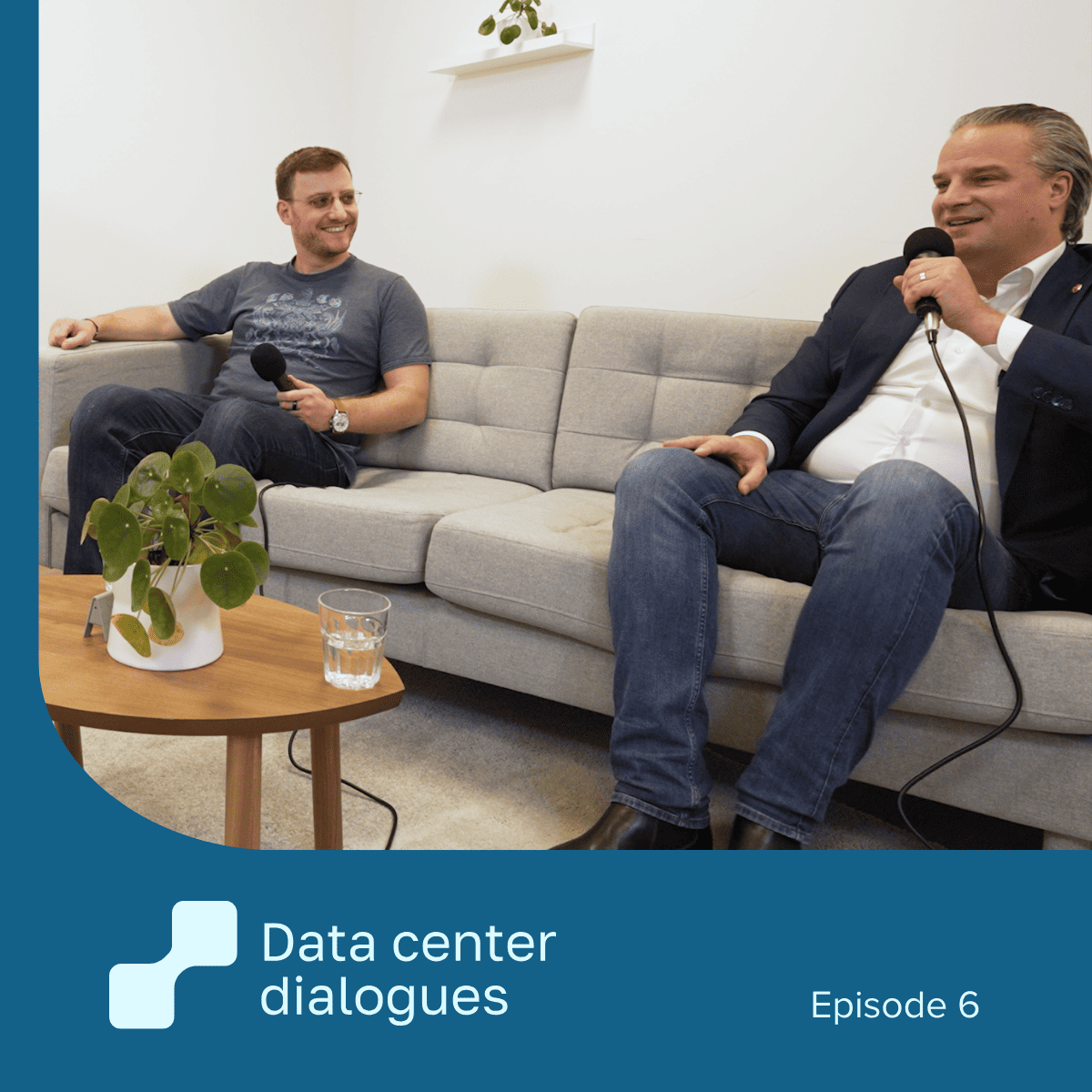
AI tends to appear in the news as a rapid stream of new models and breakthroughs that seem to outpace each other every few months. But its long-term future depends on what sits beneath them: the power systems that feed it, the architectures that carry its weight, the rules that govern data-sharing, and the geopolitics that determine who gains from it. In this episode, two experts who work with these challenges every day explain how these structural forces play out in real-world AI projects.
Michael Verveckken, Managing Director at Fujitsu Belgium, shares insights from advanced genomics and high-performance computing projects, where AI accelerates diagnostics yet demands secure, local, and energy-efficient infrastructure for highly sensitive data. He challenges the long-held assumption that “bigger is better” and argues for more modular, sustainable architectures.
Martin Canter, AI and Data Expert at FARI in Brussels, explains how digital twins make cities more resilient, but also require vast datasets and true interoperability. He highlights the importance of European data spaces, governance frameworks, and testing facilities to build trustworthy AI at scale, without falling into the illusion of absolute technological sovereignty.
Tune in for a conversation where practical leadership and expert insight combine to deliver genuine depth and perspective into this topic.
Listen to the full dialogue now.